Welcome to the Cambridge Record
This site is an experiment in vibe-coding an accessible portal to the civic record.
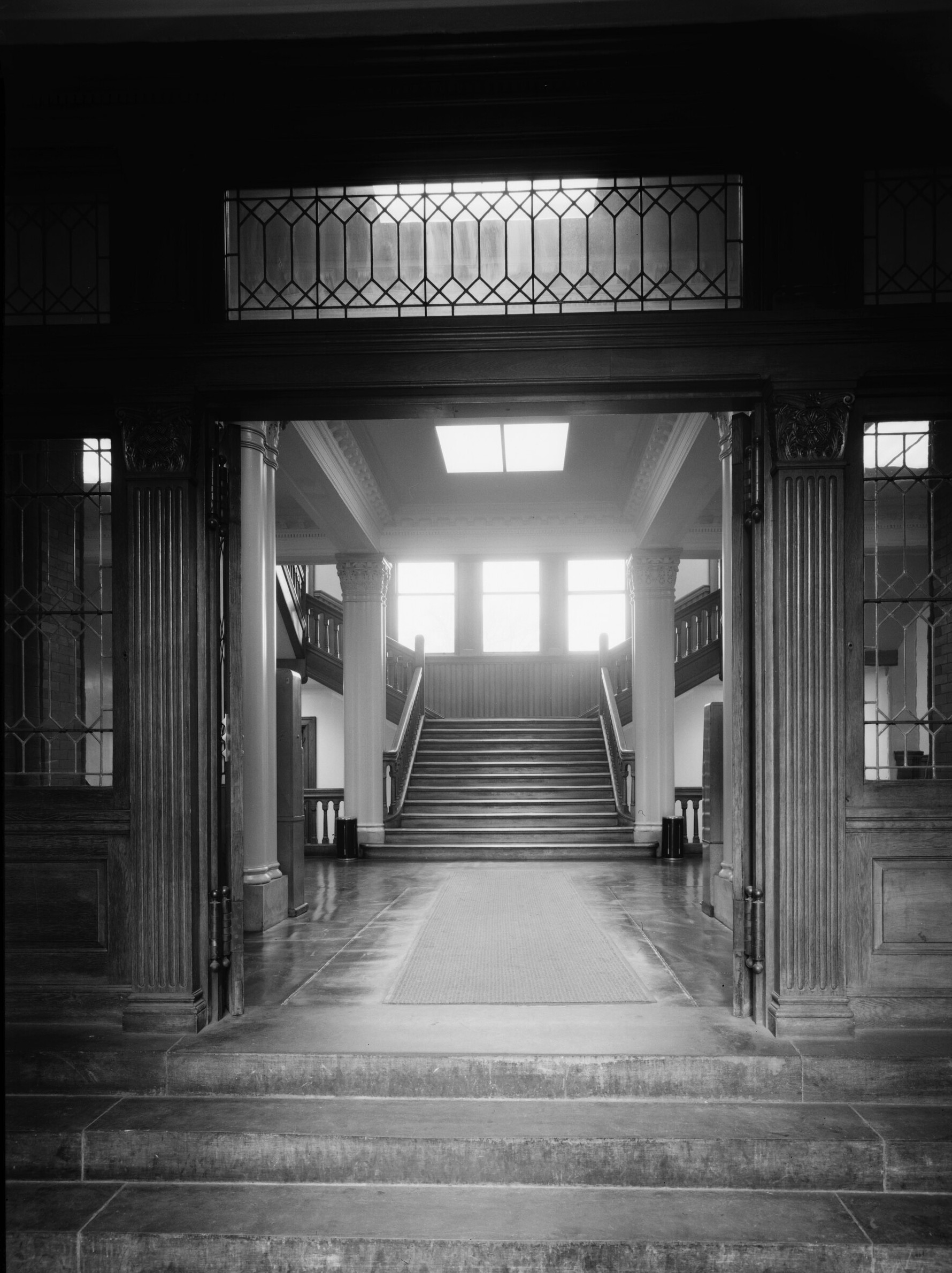
Why this exists
The city's existing portal is difficult to use, and the council's records are scattered across four systems. Cambridge kept paper records of council business until 2003, when it moved online for the first time. The city's original records database, where policy orders and committee reports from 2003 onward lived, is no longer online at all: the links remain, but the server is gone. The Open Meeting Portal carried meetings from 2006 and became the city's main system around 2016; many people had gotten used to it, but it was never easy to work with. In January 2026 the city switched systems again, so everything from this January forward lives in a brand new database on top of everything else.
Legislation develops over time. When the record is fragmented like this, the storyline gets lost. We are recovering the missing years from the city's archive portal and the Internet Archive, so the record can be read in one place again. We are preparing for a world in which the City of Cambridge has digitized their remarkable record, and we may be able to create one searchable database going back as far as 1630, but certainly at least as far back as the advent of Plan E Government: Cambridge voted for it on November 5, 1940, and the first council elected under it took its seats in January 1942.
The aim here is an interface for viewing the record that is useful, ethical, complete, and accessible to everyone.
- Useful means you can easily find what you're looking for and understand what you found.
- Ethical means that we won't reveal the personal information of those who give public comment or write on the record, even if that record is already available elsewhere. We hope to develop ways to display data about public comment and emails in aggregate.
- Complete means harmonizing the record by bringing together the various databases that currently house it.
- Accessible means the site works for everyone: built for screen readers and keyboard navigation, written in plain language, and free, with no paywall, ever.
Earning your trust
Because this site was built with generative AI, there will be mistakes. Humans make mistakes too: in building this site, the AI has already caught clerical errors in the city's own record, like roll-call tallies that don't match the names recorded. We are building systems for catching mistakes in both directions and verifying what's published here, so the site can earn your trust. The most important ones:
- Every page links to the source. The city's own document is always one click away, and it is always the authority. This website is not ready to be cited as a source. Always cite the original record.
- A public log of reported errors. We fix small things constantly, but when someone reports an error, the report and what we did about it stay visible.
- Human verification of individual pages. We are training volunteer auditors to compare pages against the city's record. Two independent audits come before a page is marked verified, with the auditors' screen names and dates on the page. The program is starting now.
- Redaction of personal information. Contact details are removed from documents before they render, and letters from residents stay unpublished entirely until our ethics code is finished. Public record doesn't automatically mean ethical to database.
- Verify it yourself. Every archived PDF carries a SHA-256 fingerprint, so anyone can verify our copy against the city's, or prove the original changed. The AI audits a random sample of its own pages against the city's portal with a published seed, so anyone can re-run the audit: results, failures, and the audit script itself are at the accuracy page. The build refuses to publish any roll call whose tally doesn't match the recorded names. And everything served here lives, complete, in a public repository. It mirrors the current build, not an archive of past versions; each deploy replaces the last.
If you find a mistake, telling us is the most useful thing you can do: report an error (or email [email protected]).
Who's behind this
One Cambridge resident. Want to chat? Send an email: [email protected].
The site is not affiliated with the City of Cambridge. The project is unfunded: a personal experiment, run at personal cost.
Photography

Make this better
📧 Send privately
🌐 Post publicly on the tracker
Spotted a factual error? Every page has a “report an error”
link in its footer, and corrections are public.